
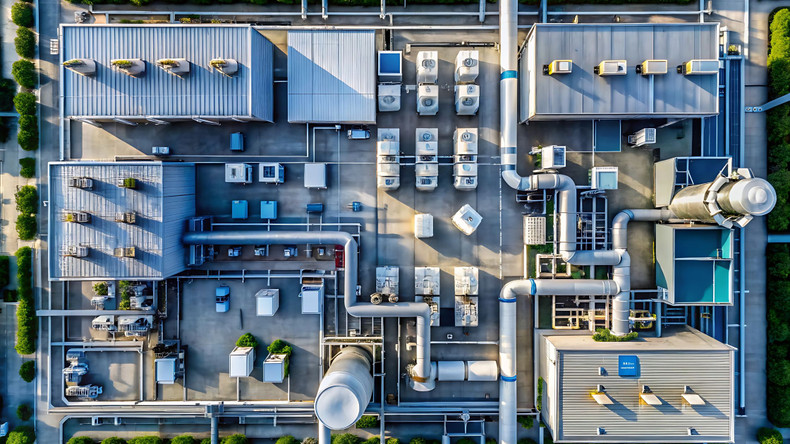
 What is an RTU?
Rooftop Units, or RTUs, are self-contained HVAC systems that are installed on rooftops of commercial buildings and maintain the indoor climate. They house all the components needed for the heating and cooling of indoor spaces, including dampers, filters, coils, heat exchangers, fans, and thermostats. They are crucial to the comfort, air quality, and energy consumption of a building, so when an RTU fails, it’s a big deal. There are 3 main causes of failure to be aware of.
3 Common Causes of RTU Failure
- Dirty coils and air filters
Air filters are used in RTUs to trap dust, pollen, or other airborne particles that come into the system and remove them from the air that enters into the building. As a filter does its job, it will inevitably become dirty or clogged. This decreases filtration efficiency, reducing air quality, restricting airflow, and causing the unit to work harder, which in turn increases energy use and potential system shutdown.
There are 2 types of coils used in an RTU: evaporator coils, which are inside the unit, and condenser coils, which are outside the unit. Both are essential components in the heating or cooling process. Like filters, these coils will become dirty or clogged with dust, pollen, and other debris, which reduces their heat transfer efficiency, leads to poor heating or cooling performance, and can cause the system to overheat from strain and fail.
- Electrical failures
There are a variety of electrical components with a range of functions in an RTU, and the failure of one of them can lead to a string of consequences. Malfunctioning control boards or relays could cause components to run out of sequence or overload the system. Corrosion, moisture, overheating, or poor installation can lead to tripped breakers, blown fuses, worn contactors, and faulty connections that cause intermittent RTU operation, damage to other equipment, or even full shutdown.
- Refrigerant leaks
Evaporator and condenser coils both contain refrigerant that is responsible for the heating and cooling cycle of the system. Evaporator coils are susceptible to corrosion over time and condenser coils are susceptible to external impacts, both of which can lead to refrigerant leaks. In addition, refrigerant may leak from line sets, valves, fittings, and o-rings because of wear and tear or improper installation. Leaking refrigerant results in inefficient cooling and potential compressor damage, shutting down the RTU.
Those these are 3 of the most common causes for RTU failure, they are not the only ones to be aware of. Thermostat malfunctions can cause irregular temperature control or short cycling. Drainage issues can also damage RTU components and shutdown the system. Clogged or poorly connected condensate pans or lines, which collect and drain water from the evaporator coil, can lead to water leakage, creating damage and encouraging mold growth.
How to Prevent RTU Failure
There are numerous steps you can take to ensure your RTU remains efficient and will not experience downtime.
- Clean coils every spring and fall
- Replace filters every 3-6 months, depending on usage
- Inspect electrical components for corrosion
- Check for refrigerant leaks
- Verify electrical and condensate connections
- Clean condensate pans and lines
- Remove clogs from condensate p-traps (be sure to prime the p-trap with water before replacing to prevent air dams that restrict water drainage)
These recommendations are best performed before heating or cooling season begins so any necessary repairs or changes can be made before the RTU becomes most crucial. They also can help with energy costs, as 30% of RTU energy waste is linked to dirty coils and filters. It is also good to be aware of any special circumstances in your environment or building that may require these steps to be undertaken more frequently. For example, if your RTU is in an area with many cottonwoods, your condenser coils could become clogged quicker when there are high amounts of cotton in the air, which is usually late spring or early summer. If you clean your coils before this, it may be best to clean them again afterwards to ensure they are not clogged for the hottest summer months. Or if your facility has critical air quality standards, you may want to consider replacing your filters more frequently.
For a more extensive list of preventative measures you can take to avoid RTU failure, download our RTU maintenance checklist here.
If you’re experiencing issues with your RTU, LONG PartsPros stocks all the necessary components you’ll need to keep it running efficiently. Browse our selection of coils, control boards, contactors, fuses, thermostats, and drain pans today to prevent your RTU from experiencing full system failure!